Google used its Made by Google 2026 event on August 12 to unveil the Pixel 11 series, the Pixel Watch 5, and a first-party item tracker called the Pixel Tag. The announcement gives Google a four-phone lineup for the first time — the Pixel 11, Pixel 11 Pro, Pixel 11 Pro XL, and Pixel 11 Pro Fold — alongside a refreshed smartwatch and a new accessory aimed squarely at Apple’s AirTag.
The headline change isn’t a single piece of hardware. It’s how tightly Google has wired Gemini into everything it sold on stage. The new Tensor G6 chip, a redesigned camera system built around a feature called Magic Capture, and a tracker that plugs into Google’s billion-device Find Hub network are all being framed as pieces of one connected ecosystem rather than standalone products.
Pricing also moved. The base Pixel 11 now starts at $899, and Google has dropped the 128GB storage tier across the board, meaning the cheapest configuration buyers can get is more expensive than in past years. The Pixel 11 Pro starts at $1,099, the Pro XL at $1,299, and the new foldable, the Pixel 11 Pro Fold, tops the range at $1,900.
Pre-orders opened immediately after the keynote and run through August 19, with retail availability beginning August 20. Here’s a complete breakdown of what Google announced, what’s confirmed versus still murky, and why this launch matters beyond the spec sheet.
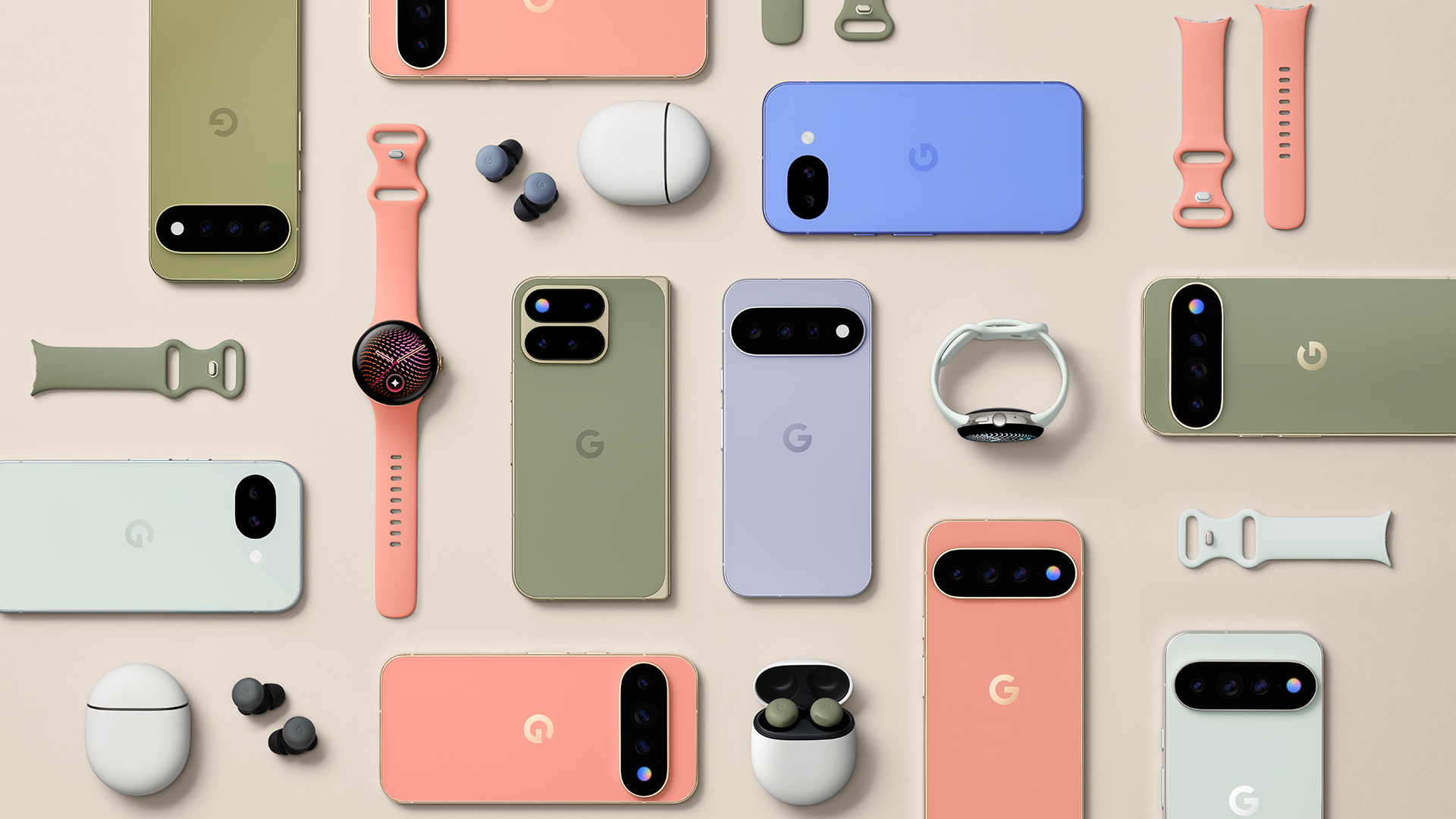
Google Pixel 11 Lineup: What Google Announced
Google’s Made by Google event, held in New York on August 12, covered four phones, one smartwatch, and one new tracking accessory:
- Google Pixel 11 — the base model, starting at $899
- Google Pixel 11 Pro — starting at $1,099
- Google Pixel 11 Pro XL — starting at $1,299
- Google Pixel 11 Pro Fold — the foldable model, starting at $1,900
- Pixel Watch 5 — starting at $399 for the 41mm size
- Pixel Tag — a $29 Bluetooth and UWB item tracker
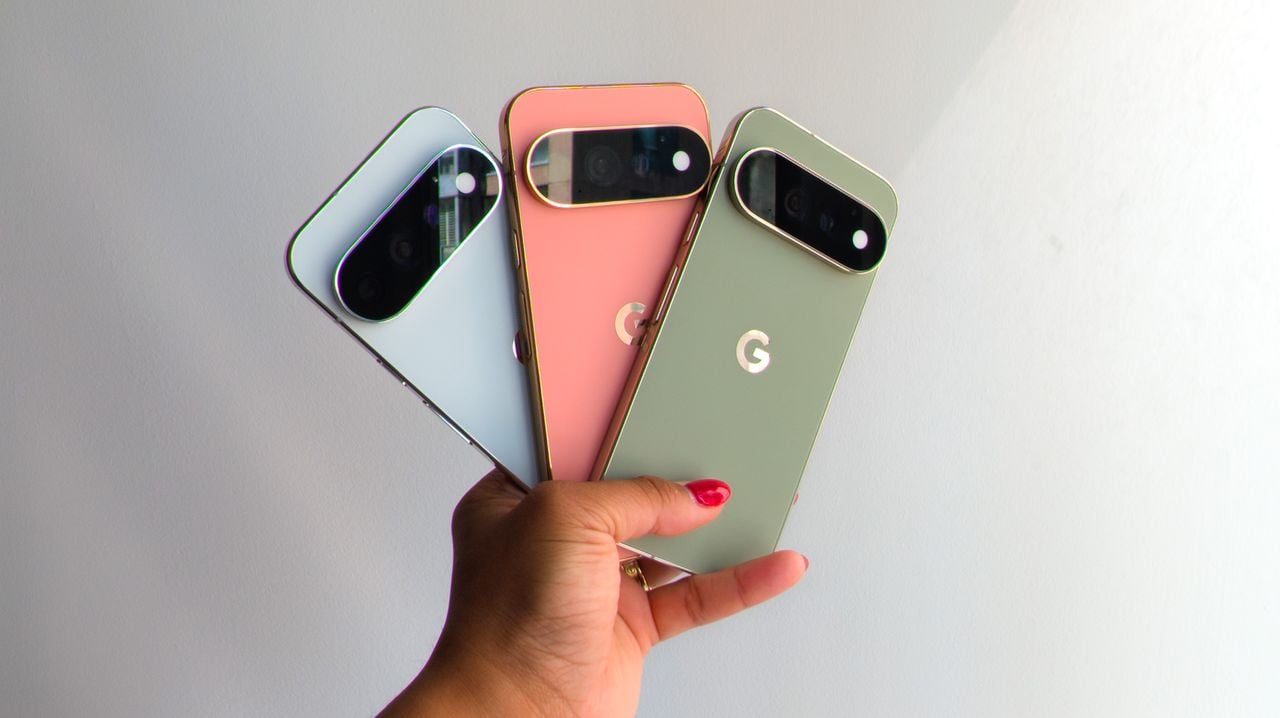
All four phones ship with Android 17 and Google’s Tensor G6 chipset, and all carry Google’s commitment to seven years of OS updates, security patches, and Pixel Drop feature releases. Every model also drops Samsung’s Exynos modem in favor of a MediaTek M90 5G modem — Google’s response to years of complaints about connectivity and heat on earlier Tensor chips.
Google also used the event to preview software updates for the Pixel Buds Pro 2 and Pixel Buds 2a, including improved noise cancellation, arriving in September, along with a new Olive colorway for the Buds Pro 2.
Google Pixel 11 and Pixel 11 Pro: What’s New
The base Pixel 11 and the Pro models share the same Tensor G6 platform and Titan M3 security chip, but they diverge meaningfully on cameras, display technology, RAM, and one very visible design element.
The Pixel 11 gets a triple rear camera: a 48-megapixel main sensor with optical image stabilization, a 13-megapixel ultra-wide, and a 10.8-megapixel 5x telephoto capable of 30x Super Zoom. It ships with 12GB of RAM across both its 256GB and 512GB storage options — there’s no 16GB RAM or 1TB tier available on the standard model this year.
The Pixel 11 Pro and Pro XL step up to a 50-megapixel main camera, a 48-megapixel ultra-wide, and a 48-megapixel periscope telephoto with 5x optical zoom and up to 120x Pro Zoom, roughly doubling last year’s maximum zoom range. Pro buyers also get more memory headroom: 12GB of RAM on the 256GB configuration, rising to 16GB on the 512GB and 1TB models, which Google pairs with what it calls “Zoned UFS” storage for faster performance. Google hasn’t detailed exactly how that storage architecture works.
The most visible difference between the base and Pro models is a new lighting element called HiLight, discussed in detail below — it’s exclusive to the Pro, Pro XL, and Pro Fold.
Design and Display
Every Pixel 11 model adopts a new all-glass camera bar that Google says is 40% thinner than the version on the Pixel 10 series, reducing how much the module protrudes from the back of the phone. Google claims the bump “practically” disappears when the phone is in one of its official cases.
The base Pixel 11 uses a 6.3-inch Full HD+ AMOLED panel with adaptive refresh up to 120Hz and peak brightness reaching 3,000 nits, protected by Corning Gorilla Glass Victus 2. The phone measures 152.8 x 72 x 8.6mm and weighs 197 grams.
The Pro models use sharper LTPO OLED panels: the Pixel 11 Pro has a 6.3-inch, 1,280 x 2,856-pixel display, while the larger Pro XL steps up to 6.8 inches at 1,344 x 2,992 pixels. Both support adaptive 1-120Hz refresh rates, up to 2,400 nits of HDR brightness, and up to 3,600 nits peak brightness, with Gorilla Glass Victus 2 and an added anti-scratch coating.
All Pixel 11 and Pixel 11 Pro models come in four color options, though Google says the standard Pixel 11 gets more vibrant versions of each shade compared with the Pro line. Every model in the lineup includes built-in Pixelsnap magnets, letting buyers use Qi2-compatible magnetic accessories without a case.
The Pixel 11 Pro Fold, Google’s foldable entry, is roughly 1mm thinner and nearly 10% lighter than its predecessor, and Google says its new hinge design is three times more durable.
HiLight: A New Ambient Light on the Pro Models
One of the most talked-about design additions is HiLight, a ring of ambient LEDs built into the camera bar on the Pixel 11 Pro, Pro XL, and Pro Fold. It replaces the temperature sensor that sat in the same spot on the Pixel 9 and Pixel 10 Pro models.
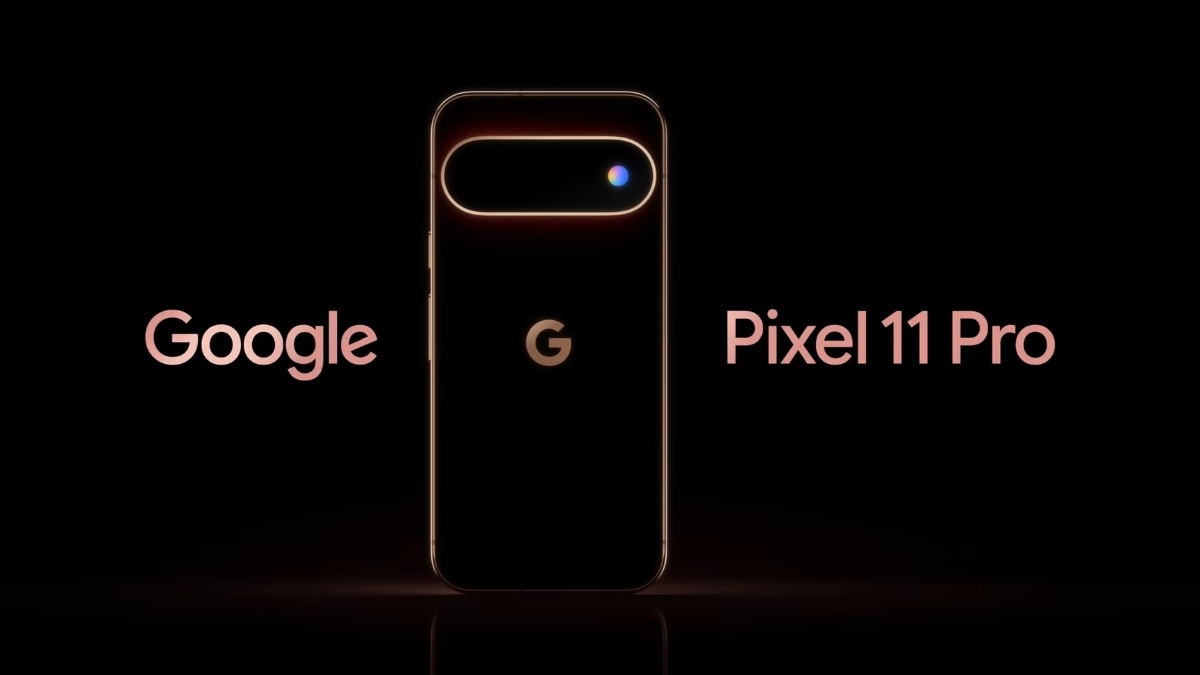
HiLight can glow in custom colors to indicate when Gemini is actively listening, processing, or responding, and it can flash a specific color when a favorite contact calls. Google says it plans to expand HiLight’s functionality over time to cover incoming messages as well. The concept draws an obvious comparison to Nothing’s Glyph lighting system, though Google’s version is tied specifically to Gemini’s status rather than general notifications. HiLight is not available on the standard Pixel 11, which uses a conventional LED flash instead.
Performance and the Tensor G6 Chip
All four phones run on Google’s new Tensor G6, built on a 2-nanometer process and paired with the Titan M3 security coprocessor. Google says the chip delivers roughly 20% faster general performance and 20% better power efficiency than the Tensor G5, with a seven-core CPU design.
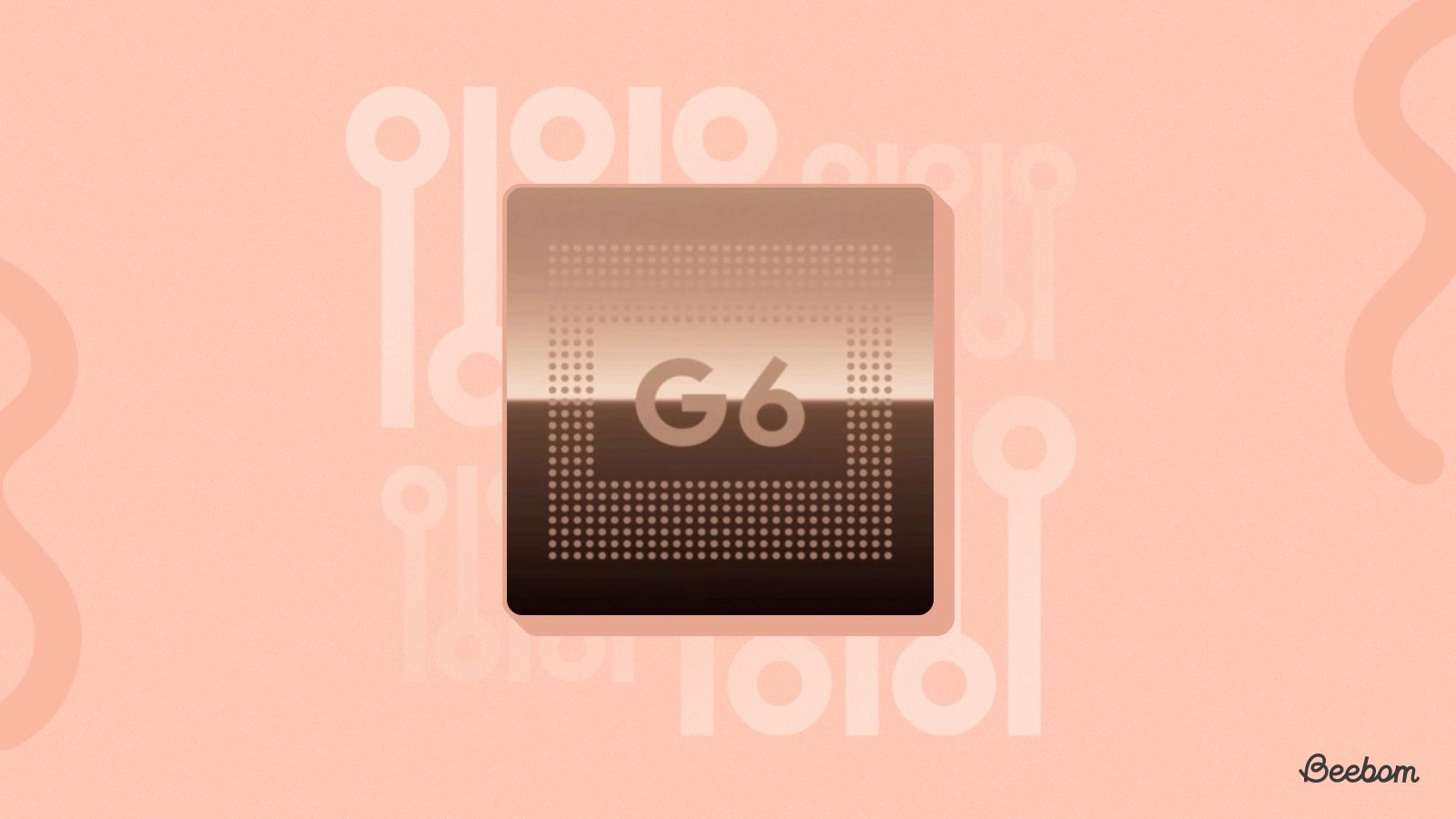
The bigger story is on-device AI processing. Google says Tensor G6 packs 50% more TPU compute than its predecessor and, running the latest Gemini Nano model locally, can process on-device AI tasks up to 3.5 times faster while using up to 3.5 times less energy. Google also points to more mundane but tangible gains: 25% faster web browsing and 15% faster app launches.
In practice, this extra headroom is being spent on camera processing, translation features, and the proactive Gemini tools described below, rather than purely on benchmark scores. Google’s pitch is less about winning a raw-performance race against Qualcomm’s Snapdragon or Apple’s A-series chips and more about making its own AI features run faster and use less battery.
Battery life across the lineup is rated at over 30 hours on a single charge. The base Pixel 11 carries a 4,985mAh battery with 30W wired charging and 25W Qi2.2 wireless charging — a jump from 15W wireless charging on the previous generation. Google says the base model can reach 50% charge in 30 minutes, while the Pro models hit 75% in the same window and charge wirelessly up to 29% faster than before. The Pixel 11 Pro’s battery is rated at 4,850mAh (typical), with the Pro XL likely carrying a larger cell to match its bigger frame, though Google has not published that exact figure in the material reviewed for this article.
Pixel 11 Camera Improvements
Camera hardware saw real gains, but Google spent at least as much time on stage talking about what the Tensor G6 does with that hardware after the shutter is pressed.

Main and ultra-wide sensors: The base Pixel 11 pairs a 48-megapixel f/1.7 main sensor with optical image stabilization and laser-detect autofocus with a 13-megapixel ultra-wide. The Pro models move to a 50-megapixel main sensor and a 48-megapixel ultra-wide — both meaningful upgrades over a standard triple-camera smartphone setup.
Telephoto and zoom: The base Pixel 11 offers a 10.8-megapixel 5x telephoto with Super Zoom up to 30x, up from 20x on the previous generation. The Pro and Pro XL use a 48-megapixel periscope telephoto with genuine 5x optical zoom and Pro Zoom stretching to 120x, doubled from 100x last year. Google specifically calls out optical-quality results at 0.5x, 1x, 2x, 5x, and 10x zoom levels on the Pro models.
Selfie camera: The base Pixel 11 uses a 10.5-megapixel front camera, while the Pro models jump to 42 megapixels with an f/2.2 aperture and a 103-degree field of view — a notably wide frame for group selfies.
Video: The Pixel 11 Pro series supports native 4K recording, and Google carried over familiar computational tools like Photo Unblur, Zoom Enhance, and Portrait Light.
Magic Capture
The standout new camera feature is Magic Capture, and it represents a real shift in how Pixel’s camera app works. Instead of choosing between shooting a photo or recording video, users swipe up on the viewfinder, hit start, and let the camera roll for up to two minutes. During that window, Magic Capture uses on-device processing combined with Gemini models to analyze roughly 400 individual frames, then automatically selects and saves the best moments as high-quality 12-megapixel photos — chosen based on factors like facial expression, motion, and timing, not just whether someone happened to be smiling when the shutter clicked.
Magic Capture can also automatically crop and unblur the frames it selects, and it hands back a video clip alongside the still photos without requiring users to switch modes. Google is positioning this heavily toward parents and pet owners trying to catch fast, unpredictable moments — a juggler mid-toss, a toddler mid-laugh — without needing perfect shutter timing.
AI Features
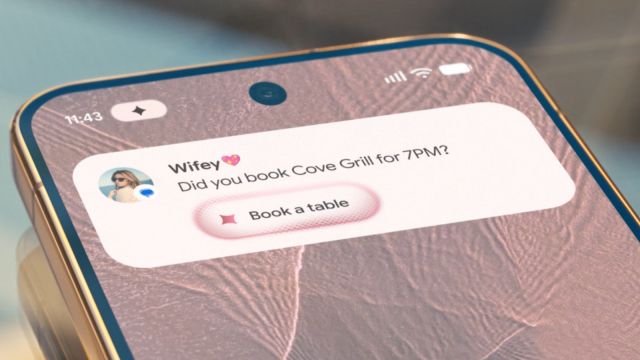
Google’s broader AI push at the event centers on something it’s calling Gemini Intelligence — a layer of proactive assistance that Google says works across apps, messages, calendars, and Maps rather than living inside a single assistant app.
The clearest example Google demonstrated on stage: if a user is texting a friend about an upcoming trip, Gemini can surface a card with relevant flight or booking details unprompted. If two people are messaging about dinner plans, Gemini might offer to complete a restaurant reservation directly. Google is also previewing location-based insights — for instance, if you’re waiting at a restaurant, the lock screen can proactively surface details about the venue, including popular menu items pulled from reviews and photos in Google Maps.
A separate accessibility feature extends Live Transcribe to support American Sign Language. Using the Pixel camera, the feature translates sign language into text in real time for messaging, search, and interacting with Gemini. Google says the underlying model was trained on more than 100,000 hours of sign-language data spanning more than 50 languages, with ASL making up roughly a quarter of that training data. Google says it plans to expand support to more languages over time.
Gemini’s voice tools also got an update called Rambler, designed for dictation — it filters out filler words and can carry out multi-step tasks based on spoken instructions.
Pixel Watch 5
The Pixel Watch 5 looks essentially identical to last year’s Pixel Watch 4 — same 41mm and 45mm case sizes, same 12.3mm thickness, same domed Actua 360 display protected by custom 3D Corning Gorilla Glass 5, and the same 320 PPI AMOLED LTPO panel with up to 3,000 nits of peak brightness. The one visible change is a new color option, Satin Pyrite, replacing last year’s Satin Moonstone.
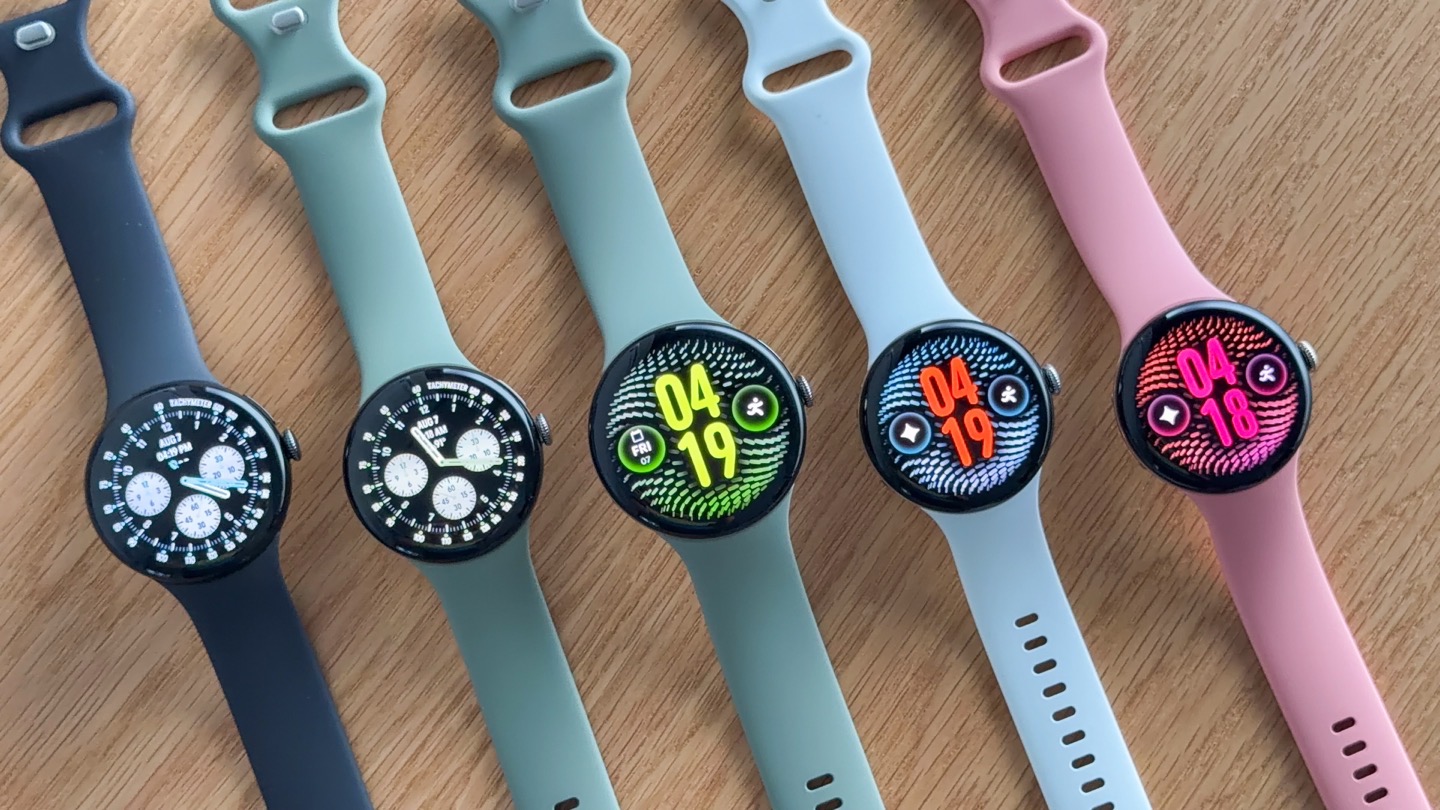
Under the hood, Google swapped in an accelerated version of the same Snapdragon W5 Gen 2 chipset, which Google says is roughly 12% faster than before. Storage doubled to 64GB, and the watch now supports Bluetooth 6.0, up from 5.3. RAM remains at 2GB.
Battery capacity increased modestly — from 325mAh to 332mAh on the 41mm model, and from 455mAh to 465mAh on the 45mm model — though Google’s official battery-life estimates are unchanged from last year: up to 30 hours with the always-on display active on the 41mm watch, and up to 40 hours on the 45mm. Both sizes support fast charging, reaching roughly 15 hours of use from 15 minutes on the charging dock.
On the software side, the Pixel Watch 5 ships with Wear OS 7, which brings AI-generated widgets, Live Updates, and improved audio output controls. Gemini Intelligence is built in, letting users raise their wrist to talk to Gemini directly or generate personalized widgets on the watch face.
Health tracking sees a genuine expansion rather than a cosmetic refresh. Google says the Pixel Watch 5 can monitor markers related to blood pressure and insulin resistance, building on the blood-pressure tracking introduced on the Pixel Watch 4. A new adaptive coaching layer, developed in partnership with Stephen Curry and a panel of health experts, is due in September 2026 as part of Google Health and reportedly requires a Google Health Premium subscription for some features. Google is also adding a real-time workout builder through the Google Health app, letting users create tailored HIIT or weightlifting sessions with rep, weight, and rest-period tracking displayed directly on the watch, complete with audio cues.
GPS also improved: Google is calling its dual-band system “the most precise GPS to date,” though it’s worth noting the Pixel Watch 4 already used dual-frequency GPS, so this is a refinement rather than a brand-new capability. Google cites internal testing against the Apple Watch Ultra 3 and Garmin Fenix 8 Pro, conducted in July 2026 with pre-production units — an outcome worth confirming with independent reviews once the watch ships.
Pricing starts at $399 for the 41mm Wi-Fi model and $429 for the 45mm Wi-Fi model — a $50 and $30 increase, respectively, over last year’s Pixel Watch 4 launch prices. LTE variants cost roughly $100 more. A Stephen Curry Special Edition, featuring an exclusive sweat-wicking band, is priced at $579 and ships separately on September 3.
Google Pixel Tag: The New Item Tracker
The Pixel Tag is Google’s first first-party Bluetooth item tracker, and it’s arguably the most surprising announcement of the event. It’s a direct answer to Apple’s AirTag, built to work with Google’s existing Find Hub network — the crowdsourced location system, formerly known as Find My Device, that already spans more than a billion Android devices.
The tag itself is pill-shaped, measuring roughly 46 x 28 x 5mm (1.8 x 1.1 x 0.2 inches) and weighing just under 12 grams — notably thinner and flatter than Apple’s circular AirTag. It has a stainless steel face with Google’s “G” logo and a speaker cutout, paired with a polycarbonate back that pops open to reveal a replaceable CR2032 coin-cell battery, rated for more than a year of use. The tag is IP67-rated for dust and water resistance, and Google says the packaging is plastic-free.
How It Works
Pixel Tag supports two tiers of location tracking. At range, it relies on standard Bluetooth-based crowd-sourced finding through the Find Hub network — when a lost tag is out of range of its owner’s phone, any nearby Android device can anonymously relay its approximate location, encrypted end-to-end. That gets a user to the right neighborhood or building, but not much closer.
For close-range finding, the Pixel Tag adds Ultra-Wideband (UWB) support combined with Bluetooth 6.0 Channel Sounding, letting compatible phones display a directional arrow and distance readout pointing straight to the item — the same category of precision finding Apple introduced with UWB-equipped AirTags. Basic Bluetooth pairing works on any device running Android 9 or later, but Precision Finding requires a UWB-capable Android phone, and Channel Sounding specifically needs Android 16 or later paired with Bluetooth 6.0 hardware. As of this launch, UWB radios remain limited mostly to Pixel Pro-tier phones, which narrows the pool of devices that can use the full precision-finding experience even though basic tracking works more broadly.
Pixel-specific integrations extend the tag beyond the phone: owners can ring a misplaced Pixel Tag from a Pixel Watch through Find Hub, or ask Gemini through Pixel Buds to play a sound to help locate it. A “Left Behind” alert notifies users if they’ve walked away from an item the tag is attached to — a feature Google says isn’t yet matched by competing trackers on the Find Hub network, including existing third-party options from Pebblebee and Chipolo. The system can also flag if an unfamiliar tracker appears to be traveling with a user’s phone over time, an anti-stalking safeguard shared across the wider Find Hub ecosystem.
Price, Availability, and Where It Fits
The Pixel Tag costs $29 for a single unit or $99 for a four-pack in the US, with European pricing set at €34.99 and €109.99, respectively. It launches in a single color, Fog, through the Google Store, with availability beginning November 11, 2026 — a notably long gap between the August announcement and the actual on-shelf date.
Google will offer a keychain loop accessory for mounting the tag, but unlike Motorola’s competing Moto Tag, the Pixel Tag’s dimensions don’t match the AirTag, meaning it won’t be compatible with the wide range of third-party AirTag cases and mounts already on the market. Google will need to build out its own accessory ecosystem from scratch, which could be a real friction point for early adopters.
AI Features Across the Ecosystem
Beyond the phone-specific camera and assistant tools, Google is threading Gemini through hardware it announced across the board. The Pixel Buds Pro 2 and Pixel Buds 2a are getting a September software update with improved noise cancellation, along with Gemini voice controls. The Pixel Watch 5 gains its own Gemini Intelligence layer for wrist-based queries and widget generation, described above.
The Pixel Ecosystem Gets Bigger
Taken individually, none of the Pixel 11’s hardware upgrades is dramatic. The camera sensors are meaningfully better, the chip is faster and more efficient, and the design is refined rather than reinvented. What Google is actually selling this year is coordination: a phone, a watch, earbuds, and now a physical tracker, all reporting into the same Gemini-powered assistant layer and the same Find Hub location network.
That’s a deliberate strategic choice. Google doesn’t need Tensor G6 to outrun Qualcomm’s latest Snapdragon chip on a benchmark chart if it can instead make Gemini feel meaningfully faster and more proactive than what’s running on a Galaxy or an iPhone. The HiLight lighting ring, the Magic Capture camera mode, the proactive Gemini cards, and even the Pixel Tag’s Left Behind alerts are all examples of software and small hardware touches designed to reinforce the idea that Pixel devices are working together, not just sitting in the same product line.
The timing of the Pixel Tag is also notable. Google has left Pixel owners without a first-party tracker for years, ceding that accessory category entirely to Apple, Tile, and smaller players like Pebblebee and Chipolo — even though those third-party trackers already worked with Find Hub. Launching its own hardware now suggests Google wants tighter control over the full experience, from the tag itself through to how it surfaces on a Pixel Watch or through Pixel Buds.
Pixel 11 vs. Previous Pixel Generation
| Feature | Pixel 10 / Pixel 10 Pro (previous generation) | Pixel 11 / Pixel 11 Pro |
|---|---|---|
| Processor | Tensor G5 | Tensor G6 (2nm, ~20% faster, 50% more TPU compute) |
| Modem | Samsung Exynos | MediaTek M90 5G |
| Base storage tier | 128GB available | 128GB discontinued; starts at 256GB |
| Pro telephoto zoom | Up to 100x Pro Zoom | Up to 120x Pro Zoom |
| Base model zoom | Up to 20x Super Zoom | Up to 30x Super Zoom |
| Wireless charging (base model) | 15W | 25W (Qi2.2) |
| Camera bar design | Standard raised bar | 40% thinner, all-glass |
| Ambient lighting (Pro) | Temperature sensor | HiLight LED ring (Gemini status, contact alerts) |
| Starting price (base model) | Lower than $899 | $899 |
| AI camera mode | Best Take, standard computational tools | Adds Magic Capture (400-frame AI photo/video capture) |
Some figures for the outgoing Pixel 10 generation were not fully verified in the sources reviewed for this article and have been left general rather than stated as exact numbers.
Price and Availability
Confirmed US pricing at launch:
- Pixel 11: starts at $899 (256GB), with a 512GB option available
- Pixel 11 Pro: starts at $1,099 (256GB, 12GB RAM), rising with 512GB/1TB configurations (16GB RAM)
- Pixel 11 Pro XL: starts at $1,299
- Pixel 11 Pro Fold: starts at $1,900
- Pixel Watch 5: starts at $399 (41mm Wi-Fi), $429 (45mm Wi-Fi); LTE models roughly $100 more; Stephen Curry Special Edition at $579
- Pixel Tag: $29 single unit, $99 for a four-pack
Pre-orders for the phones and watch opened immediately following the August 12 keynote and run through August 19, with in-store and carrier availability beginning August 20. Buyers who pre-order before the 20th are set to receive their devices ahead of general retail availability. The Pixel Tag is the outlier: despite being announced alongside the rest of the lineup, it won’t ship until November 11, 2026.
Google has not published full international pricing or availability details for every market in the material available at the time of writing; buyers outside the US should check regional Google Store listings for confirmed local pricing.
Why the Pixel 11 Launch Matters
The Pixel 11 arrives in a smartphone market where Samsung and Apple continue to dominate global volume, and Google’s Pixel line remains a comparatively small player by unit sales even in the US. What Google is betting on instead is differentiation through software — specifically, through Gemini running natively across an entire hardware family rather than being bolted onto a phone as one app among many.
That bet carries real trade-offs. Pricing across the board moved up this year, following a broader industry trend Google and other manufacturers have attributed to a global memory and DRAM shortage tied to AI data-center demand. A base Pixel 11 buyer now pays more for less storage headroom than in past years, and the Pixel Watch 5’s health-coaching features reportedly sit behind a subscription. Whether Gemini’s proactive features and Magic Capture’s frame-selection camera mode are compelling enough to justify those higher prices will depend heavily on real-world performance once reviewers and buyers get hands-on time beyond Google’s own demonstrations.
The Pixel Tag, meanwhile, is a smaller but strategically important move. It signals Google finally taking direct ownership of a product category — item trackers — it had previously left to third parties, and it gives the Find Hub network a flagship device to anchor around. Its November ship date, though, leaves a three-month gap in which Apple, Samsung, and existing third-party tracker makers have room to respond before most buyers actually have one in hand.
Final Verdict
Google’s Made by Google 2026 event delivered a four-phone Pixel 11 lineup, a modestly updated Pixel Watch 5, and a genuinely new product category for the company in the Pixel Tag. The most significant upgrades are the Tensor G6 chip’s AI processing gains, the Magic Capture camera mode that automates the timing problem behind action photography, and the tighter integration between phone, watch, earbuds, and tracker under Gemini Intelligence.
The Pixel Watch 5 is an iterative update wearing last year’s design, with its more interesting changes — deeper health coaching, blood pressure and insulin-resistance monitoring — arriving as software rollouts over the following weeks rather than being fully available at launch. The Pixel Tag is the most novel announcement of the event, but its value depends heavily on how many buyers actually own a UWB-capable Pixel Pro phone, and it won’t be in anyone’s hands until November regardless.
Buyers upgrading from a Pixel 9 or earlier will notice the differences immediately; those coming from a Pixel 10 are getting a more targeted set of improvements, most of them software-driven. What remains unknown is how Magic Capture, Gemini’s proactive suggestions, and the Pixel Watch 5’s new health tracking perform outside of Google’s own controlled demonstrations — that verdict will come from independent reviews over the following weeks, as the devices reach real buyers on August 20.
Internal Linking Opportunities
- Google Pixel smartphone news
- Android 17 features and release notes
- Best Android phones of 2026
- Google Gemini AI updates
- Pixel Watch buying guide
- Google Pixel camera comparison across generations
- Best Bluetooth item trackers compared
- Google Tensor chip history explained
Sources
- Google Official Blog: Pixel 11 Features
- Google Official Blog: Pixel Watch 5
- TechCrunch: Everything announced at Made by Google ’26
- TechCrunch: Pixel 11 offers fewer hardware changes, but much more Gemini
- Android Central: Google Pixel 11 — Specs, release date, price
- Android Authority: 12 announcements from Google’s Pixel 11 launch
- Android Authority: Google Pixel Watch 5 launch
- Android Authority: Google Pixel Tag takes on AirTag
- 9to5Google: Made by Google 2026 announcements
- 9to5Google: Pixel Tag hands-on
- TechSpot: Google unveils Pixel 11 series featuring Tensor G6
- Notebookcheck: Pixel 11 Pro series debuts with Tensor G6
- TechRepublic: Pixel 11 AI Features — Google’s Biggest Gemini Push Yet